I hope this is the right forum; I couldn’t find a better place to ask a game-art question, and I am working in Unity, hopefully this isn’t too off-topic. Forgive me, I’m quite new at this, but I’ve had an art-style in mind that I wanted to practice and I hadn’t seen anything like it until I came across this. Just wondering what general techniques were likely used to achieve this result. I think it’s cel-shading, but I’m not sure, and I’m not really sure how it works.
The subject in question is early footage of the Zelda Wii U title in development, and I’ve found 2 videos that show what I’m referring to fairly well, and also a more easily studied screenshot.
Screenshot: http://www.zeldadungeon.net/wiki/images/d/d7/Zelda-wii-u-link-720.jpg

Video 1:

Video 2:
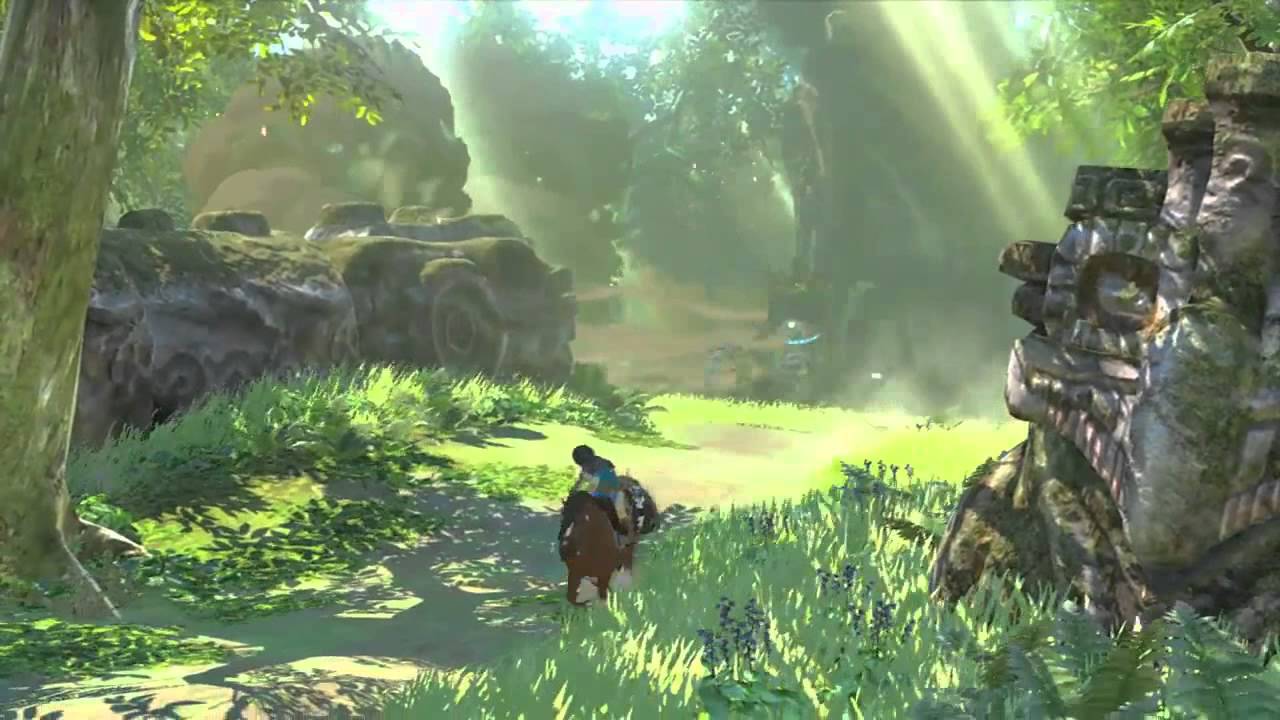
If you look at the character’s shirt, skin, gloves, hair, the leather straps, and the horse’s fur and mane/tail… it’s all awesome, I just don’t understand what’s going on! Are those textures essentially solid colors, and all the shading on them coming from in-game light sources? The folds in the clothing, and the shaded parts of the horse’s frame, are those shapes carved into the 3D model itself? How does that work? I’ve never seen a cel-shaded game that looked like this… it’s like, semi-realistic cel-shading. Some of the lines made by the shading in that screenshot look hand-drawn (like the jagged lines on the belt that goes across the chest), but I know it’s essentially a still frame taken out of that video, all of which was rendered in the game engine. I also can’t tell if these models are really low-poly or really high-poly and that’s boggling my mind.
I’m not trying to plagiarize their art style or anything. I just want to know how it works, so I can aspire to make something that beautiful one day.  Thanks for your time, sorry if this is a terrible question to ask or the wrong place to ask it.