in the middle of making a game and iv’e been using sprites for the animations and wanted to know if using the skeletal system would be better/more efficient ?
It kinda depends on the style. skeletal can be more efficient both to develop and expand, plus smoother frame rate and more animation and blends. I would highly recommend Anima2D for this. With frame based you can get more radical and stylized transforms.
Ultimately your art style and animation direction should help inform your choice.
4 Likes
Well, i feel that using skeletal would cut time in developing movements but it would also reduce quality, and using a sprite-sheet for every movement/action would improve quality but also require a substantial amount of time. I just don’t know which one i should use.
Personally I prefer Skeleton animation and I would recommend Spine which is really great and powerfull with a really nice API.
1 Like
Depends. For example, I’m working on a freelance job where everything below the hips is sprite animated, but everything from the hips up is skeletal so that the player can aim anywhere.
Personally I think skeletal is usually the way to go, as adding animations and such is easy and generally there is much less work. But for example, especially if it was a bit of a pixely game, it might not be possible to do a walking animation with as much style as a sprite animator could do. And it would be also very difficult to do animations that involve expansion and contraction of the shape.
5 Likes
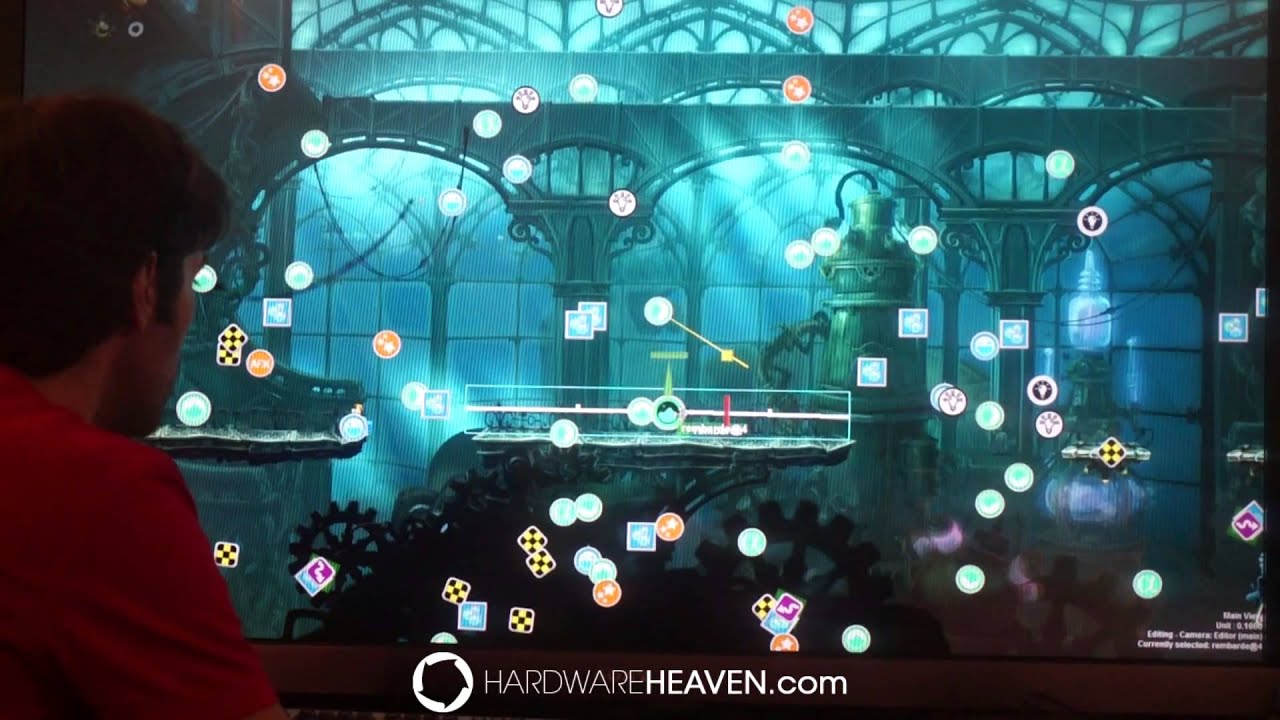
Rayman Legends uses frame animation + skeletal.
4 Likes
What really matters is that you are able to achieve the effects you want in a reasonably efficient time-frame. Sadly, it is usually not possible to get things looking EXACTLY the way you want. Our personal ambition for graphics is usually not feasible. We can imagine more than we can reasonably create. While our current tools make things easier, they can’t shave off the number of hours required to make things look just right.
More often than not, the best approach is a compromise between multiple different approaches. I would point to the Vanillaware titles as a potential example. They use at least three different techniques for their animations… sprite, skeletal, and deformations performed on the sprites. (stretch, squish, and bulge effects, likely achieved either through shaders or mesh transformations)
2 Likes
As already mentioned, this is more a matter of style, art direction and technique, rather than a strict alternative to speed up authoring. Both approaches have their pros & cons.
Though if you’re already “in the middle” of making a game, and depending on how much effort/budget has already been put into the production, I’d strongly advise against switching process at a late stage. Ideally, this should have been addressed during pre-production, with art style prototypes, to minimise risks and ensure the authoring pipeline was suitable for the chosen render target.
3 Likes
[quote="RichardKain, post: 3291267, member: 137065”]
More often than not, the best approach is a compromise between multiple different approaches. I would point to the Vanillaware titles as a potential example. They use at least three different techniques for their animations… sprite, skeletal, and deformations performed on the sprites. (stretch, squish, and bulge effects, likely achieved either through shaders or mesh transformations)
[/quote]
This is the approach we took on our first Avengers mobile game. It was a early mobile title so space and texture memory was tight. We did puppet rigging as much as we could, but mixed in full poses were needed for more iconic poses. And some parts in the puppet itself were frame based (capes for example)
2 Likes
If you haven’t created half of the cast of characters in one style already might consider creating one character each in both styles/approaches, to see which one is preferred.
3 Likes
This was a very, very helpful comment to me. As someone who as only done spritesheets, this makes a lot of sense to me and I can see the pros and cons.
1 Like
I really like simple 3d models converted to low res sprites.
But regarding the art style, if I happened to go for a 2d pixel art style, would Spritesheets work better with them? Or do skeletal animations work well with Pixel art as well?
Skeletal animation will probably ruin the look of pixel art.
Pixelart TYPICALLY means no skeletal animation, but that largely depends on what style you’re trying to mimic.
You see, there’s GBA, there’s NES, and then… there’s SEGA genesis and Snes, where splitting large bosses into pieces was a common techniques, and on top of that SNES could rotate sprites (while genesis, afaik , couldn’t).
You can see examples here:
So if you’re going after FFVI look, no skeletally animated sprites. SNES/Sega look? They’re okay, but if you want it authentic, they should be split into pieces.
Usually, however, “pixelart” means “no skeletal animation”.