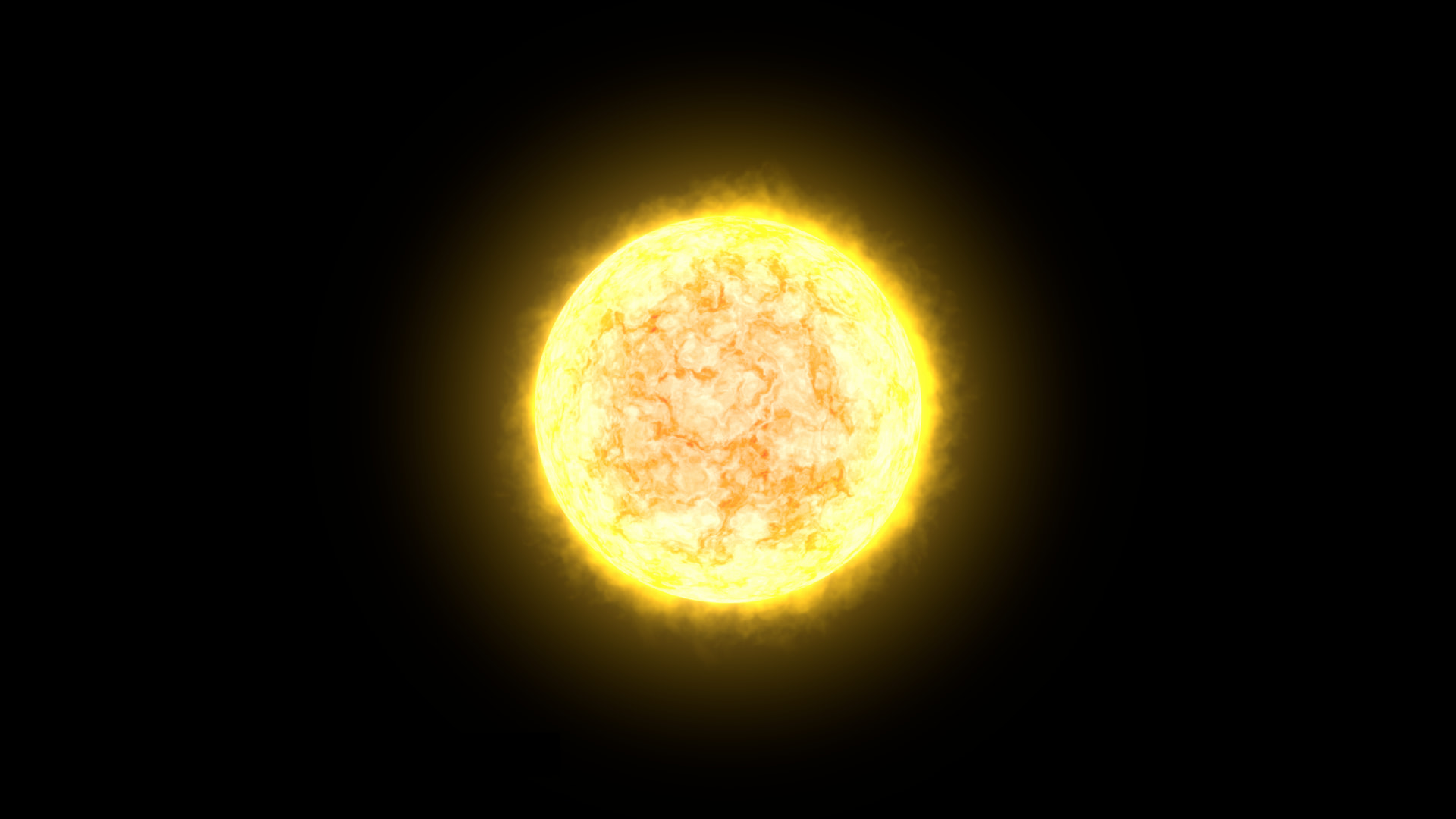
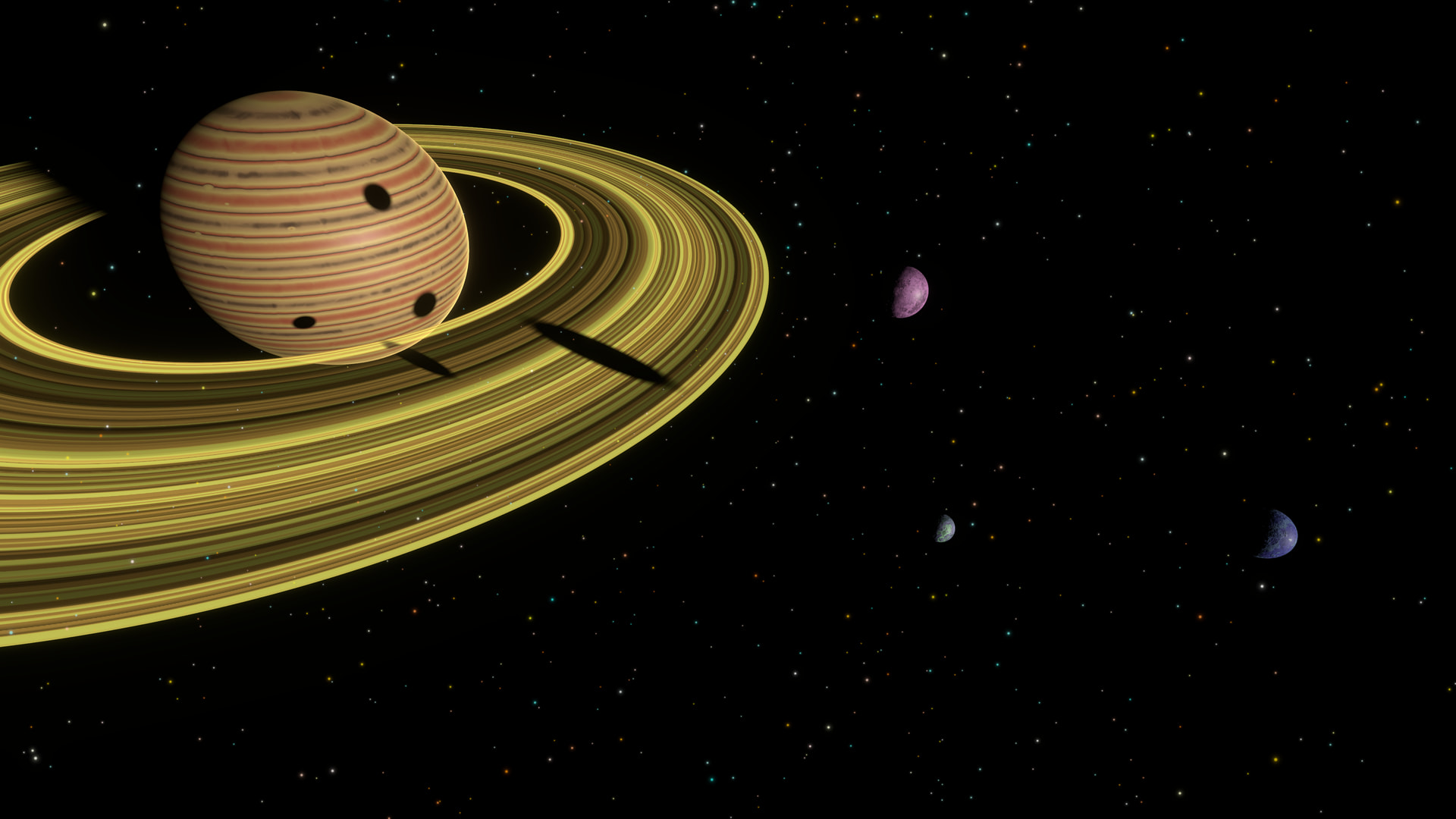
Procedural Planet Generation is a Unity framework for creating procedural celestial bodies through shaders with editor tools for texture baking and scripts for in-editor and runtime procedural generation.
Documentation | Demo Build | Free Version

What it’s for
This asset is for procedural shaders on sphere meshes, not landable terrain. Best when viewed from space - like in space strategy games, solar system maps, background environments, and skyboxes.
Why use it
Built entirely with Shader Graph, VFX Graph, and Render Graph, it’s future-proof and up-to-date with Unity’s most modern rendering systems.
Dynamic Celestial Bodies
-
Gas giants and stars are animated and dynamic with procedural noise flowing patterns.
-
Terrestrial planets are complex and layered with multiple terrain features, possessing procedural surface colors and normals.
Advanced techniques like dynamic procedural filtering eliminate common shader pain points like aliasing artifacts on high-detail procedural noise and normals.
In-Editor and Runtime Random Generation
With custom inspector and script callbacks for instant procedural generation:

Built-In Texture Baking
Using complex procedural shaders can be very taxing on the GPU. So this framework has built-in texture baking utilities for every procedural shader - allowing you to make unique visuals in the editor, and if performance is key, bake and store them into static textures for massive performance gains:

Custom Space Lighting
Every shader has a custom lighting variant with manual lighting calculations and script components for setting up a scene with omnidirectional space lighting coming from a single star source:

VFX Graph Integration
Stars use VFX graph for corona glow effects:

Background starfield generated with a custom highly performant VFX Graph skybox system: